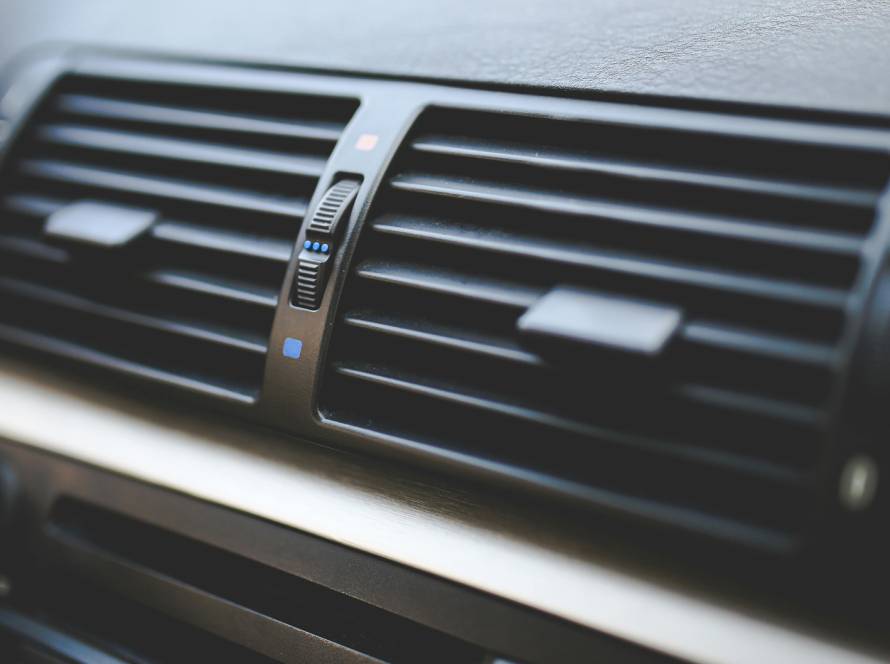
In the UAE, AC gas leaks are one of the most common issues for both Kia and Hyundai vehicles. With extreme temperatures reaching 50°C, your AC system works harder than in most climates, increasing the chance of leaks, weak cooling, and compressor stress.
1. How AC Gas Works in Your Car
Your AC system uses refrigerant (usually R134a or R1234yf) that circulates through pipes and components. This gas absorbs heat from inside the cabin and releases it outside.
If the system is fully sealed, the gas should never leak — so any loss of cooling means something is wrong.
2. Why AC Gas Leaks Are Extremely Common in UAE Weather
Your AC system suffers from:
- Sand entering AC components
- Rubber seals drying and cracking
- Overuse during long summer months
- Cabin filter clogging, making pressure rise
- Extreme heat expanding and contracting the pipes
These conditions make leaks almost inevitable without regular service.
3. Most Common Causes of AC Gas Leaks
Below are the main leak sources experts see in Kia & Hyundai.
A. Weak or Cracked AC Hoses
- Rubber hoses deteriorate faster in heat, causing micro-leaks.
B. Leaking Evaporator (Very Common in UAE)
- Hidden inside the dashboard; sand, humidity, and bacteria cause corrosion.
C. Damaged Condenser (Front of the Car)
- Stones, road debris, and high pressure cause cracks or pinholes.
D. Faulty O-Rings & Seals
- They shrink in extreme heat, allowing gas to escape
E. Loose AC Connections
- Over time, vibration loosens the fittings.
F. Overfilled Gas from Previous Service
- Too much gas causes overpressure → leaks.
4. Symptoms That Indicate Your AC Gas Is Leaking
If you notice any of the following, a leak is very likely:
- Cabin cools slowly
- Oil stains on AC pipes
- AC not cooling enough
- Cooling disappears in traffic
- AC cycles ON/OFF frequently
- Hissing sound behind the dashboard
5. How We Diagnose AC Gas Leaks Professionally
Our workshop uses advanced leak detection equipment designed for Kia & Hyundai systems.
Our Diagnostic Process:
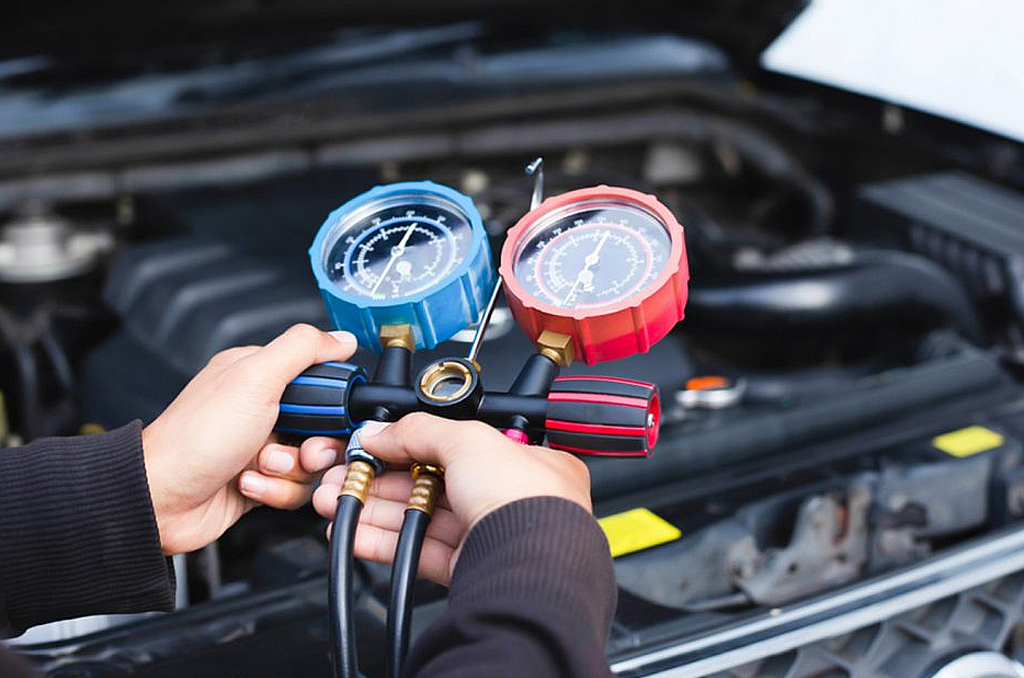
- Full AC pressure test
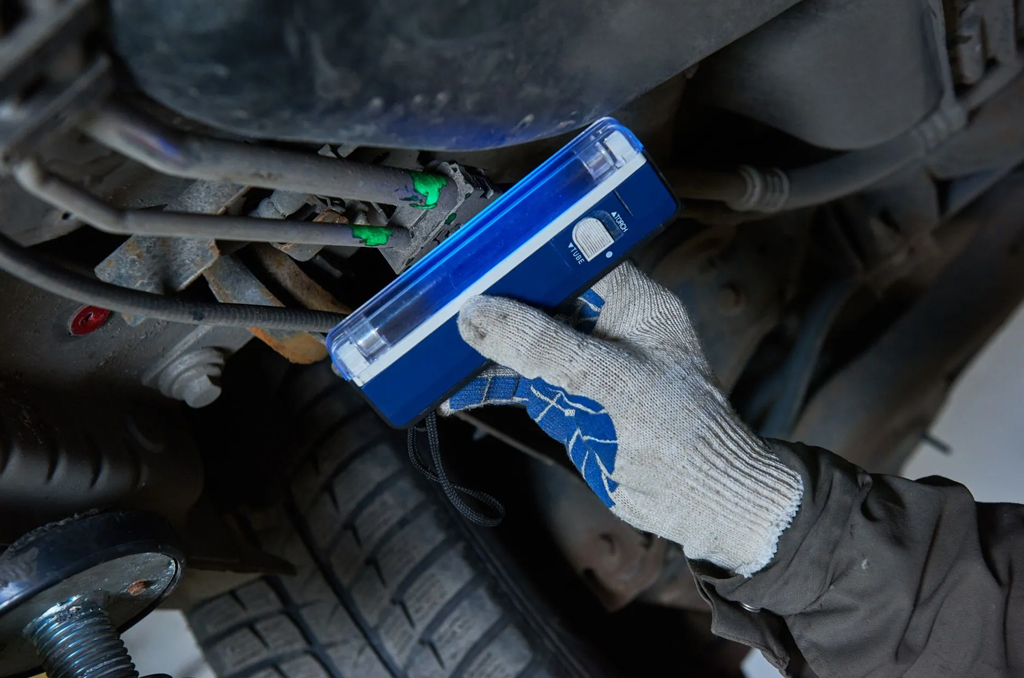
- UV leak dye test
- Electronic leak detector scan
- Evaporator leak inspection
- Condenser and hose pressure test
This method guarantees accurate detection.
6.Why Kia & Hyundai Experience More AC Leaks
These brands use:
- Softer aluminum in AC components
- Smaller condensers
- High-pressure systems
- More plastic fittings
This makes them efficient but more sensitive to heat and sand.
7. How to Prevent AC Gas Leaks
Follow these preventive steps:
- Service your AC every 6–12 months
- Replace cabin filter regularly
- Avoid high-pressure car washes on condenser
- Keep condenser clean from sand Never overfill AC gas
These simple steps reduce 50–70% of leak risks.
8. What Happens If You Don’t Fix the Leak?
Driving with a leak causes:
- Compressor overheating
- Expensive compressor failure
- Constant re-refilling of gas
- Weak cooling even after refill
9. Final Recommendations for UAE Drivers
- Don’t wait until the AC stops cooling.
- If cooling becomes weak → 90% chance it’s a leak.
- Always service AC before summer starts.
When summer heat peaks, your AC works its hardest; don’t let a hidden gas leak turn your cool sanctuary into an oven.
The true cost of a summer AC leak isn’t just the lost gas; it is the strain on your system, your wallet, and your comfort.