Car vibrations are a common issue that can indicate minor problems or serious mechanical faults. In the UAE, heat, road conditions, and traffic patterns often accelerate wear on tires, suspension, and engine components. For Kia and Hyundai drivers, identifying the root cause of vibrations is essential for comfort, safety, and avoiding costly repairs.
1. Causes of Car Vibrations
- Tire Issues – Unbalanced, misaligned, or worn-out tires are the most common cause of vibrations, especially at high speeds.
- Wheel Alignment Problems – Misaligned wheels can cause the car to shake, pull to one side, or create uneven tire wear.
- Brake System Issues – Warped brake rotors or worn brake pads can cause vibrations during braking.
- Engine Problems – Misfires, worn mounts, or fuel system issues may create vibrations, especially during acceleration or idling.
- Suspension & Steering Issues – Worn shocks, struts, or bushings can create vibrations over bumps or uneven roads.
- Drivetrain Problems – CV joints, driveshafts, or differential issues can transmit vibration to the cabin.
- Loose or Damaged Components – Exhaust pipes, engine covers, or other loose parts can resonate and cause noticeable vibration.
2. Identifying the Type of Vibration
- Steering wheel vibration: Usually related to tires, brakes, or front suspension.
- Seat or floorboard vibration: Often linked to rear tires, driveshaft, or rear suspension.
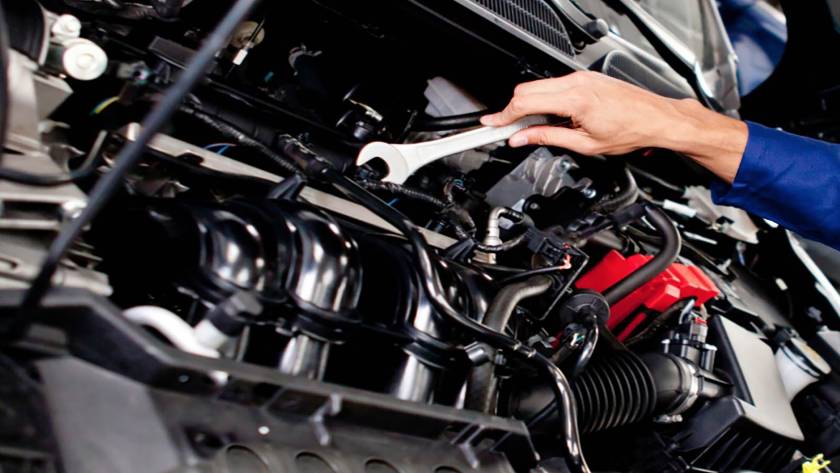
- Engine bay vibration: Caused by engine misfires, mounts, or fuel/ignition issues.
- Vibration during braking: Usually due to warped brake rotors or worn pads.
3. Common UAE-Specific Causes
- Hot asphalt and high temperatures accelerate tire wear.
- Dusty roads lead to uneven tire surfaces.
- Frequent stop-and-go traffic causes suspension and brake wear.
- Sand and debris can damage CV joints and wheel bearings.
4. Immediate Actions When Vibration is Noticed
- Inspect tire pressure and tread depth.
- Check for loose lug nuts or wheel components.
- Avoid high-speed driving until the issue is fixed.
- Schedule a professional inspection for brakes, suspension, and drivetrain.
5. Preventive Tips for Kia & Hyundai Owners in UAE
- Rotate tires every 8,000–10,000 km.
- Maintain proper wheel alignment and balancing.
- Inspect suspension components every 12 months or 15,000 km.
- Replace worn brake pads and rotors immediately.
- Avoid overloading the car beyond manufacturer limits.
- Clean undercarriage to remove sand and dust accumulation.
6. When to Call a Professional Workshop
- Persistent vibrations despite tire and brake inspection.
- Vibration accompanied by unusual noises.
- Visible wear or damage to suspension or drivetrain components.
- Engine bay vibrations linked to misfires or mounts.
Professional workshops for Kia & Hyundai ensure precise diagnosis and safe repair, protecting both vehicle and driver.
Conclusion
Car vibrations can indicate minor issues or serious mechanical problems. UAE drivers should monitor symptoms closely, perform regular maintenance, and consult professional workshops when necessary. Prompt action ensures comfort, safety, and prevents expensive repairs.