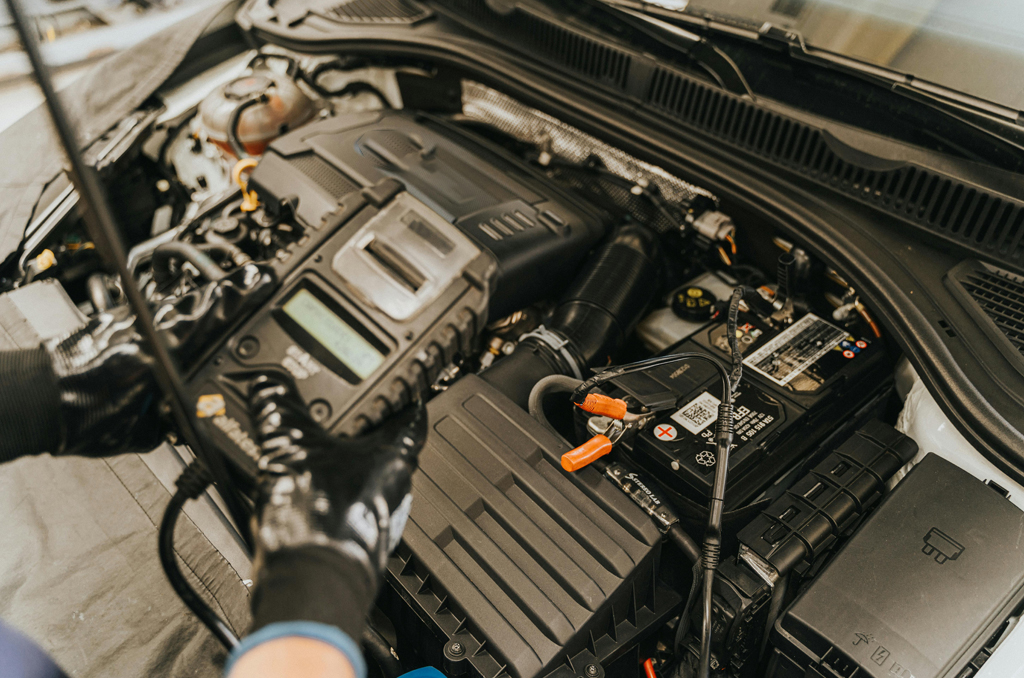
Car batteries fail nearly twice as fast in hot climates compared to cooler countries. In the UAE, where temperatures reach 45–55°C, many drivers face unexpected battery breakdowns, dead alternators, or electrical faults—often at the worst possible time.
1. Why Heat Damages Car Batteries
Heat is the number one enemy of battery health. While cold weather reduces battery power temporarily, heat permanently weakens the internal plates and evaporates the battery’s fluids, leading to irreversible damage.
Below are the main reasons heat destroys batteries faster:
- Fluid evaporation: High temperatures cause battery acid to evaporate, reducing the ability to hold charge.
- Internal corrosion: Heat speeds up chemical reactions that corrode the battery plates.
- Increased electrical load: AC, cooling fans, sensors, and infotainment systems all draw more power during hot weather.
- Overcharging from failing alternators: Heat can affect alternator performance, causing unstable charging.
2. Early Warning Signs Your Battery is Failing
Batteries rarely fail without warning. Here are the symptoms that indicate your battery is weakening:
- Slow engine crank – the car takes longer to start.
- Dim headlights or flickering dashboard lights
- AC not blowing as strongly on startup
- Clicking sound when turning the key
- Burning smell caused by overheating circuits
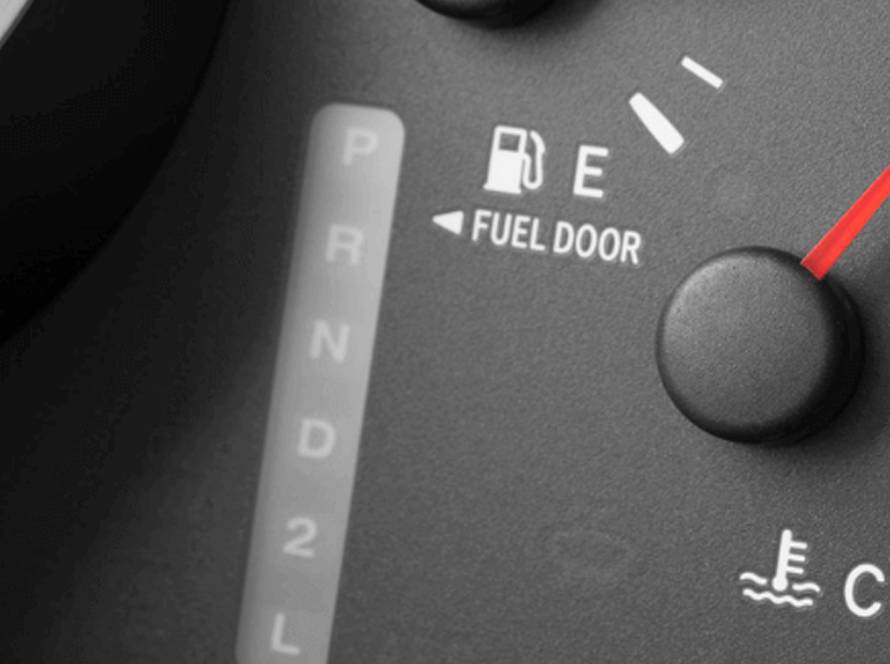
- “Battery” or “Check Charging System” light on dashboard
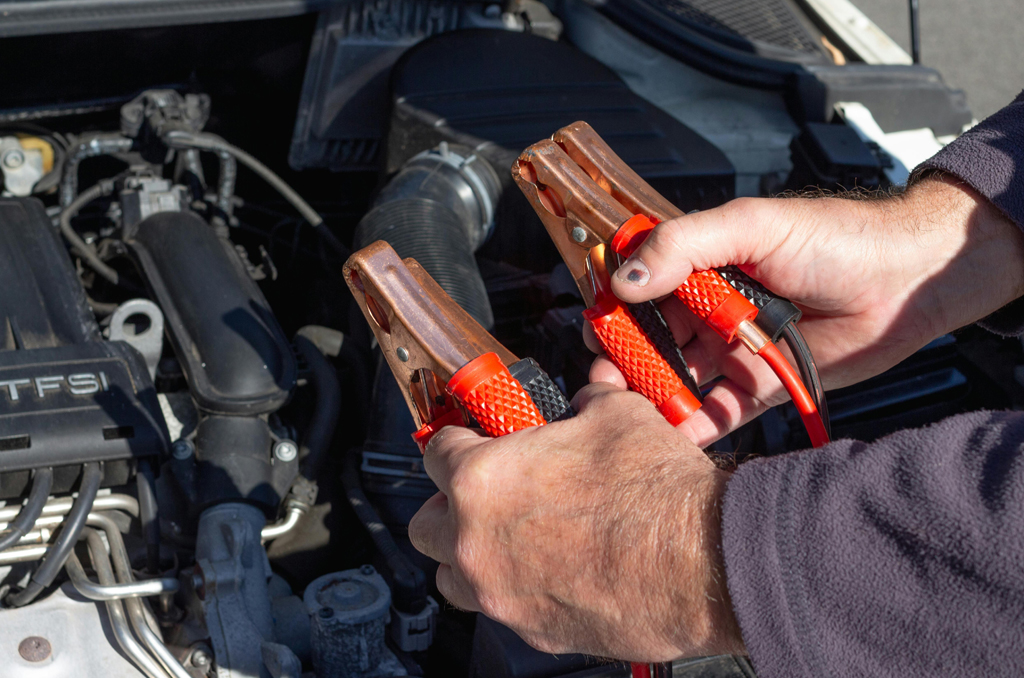
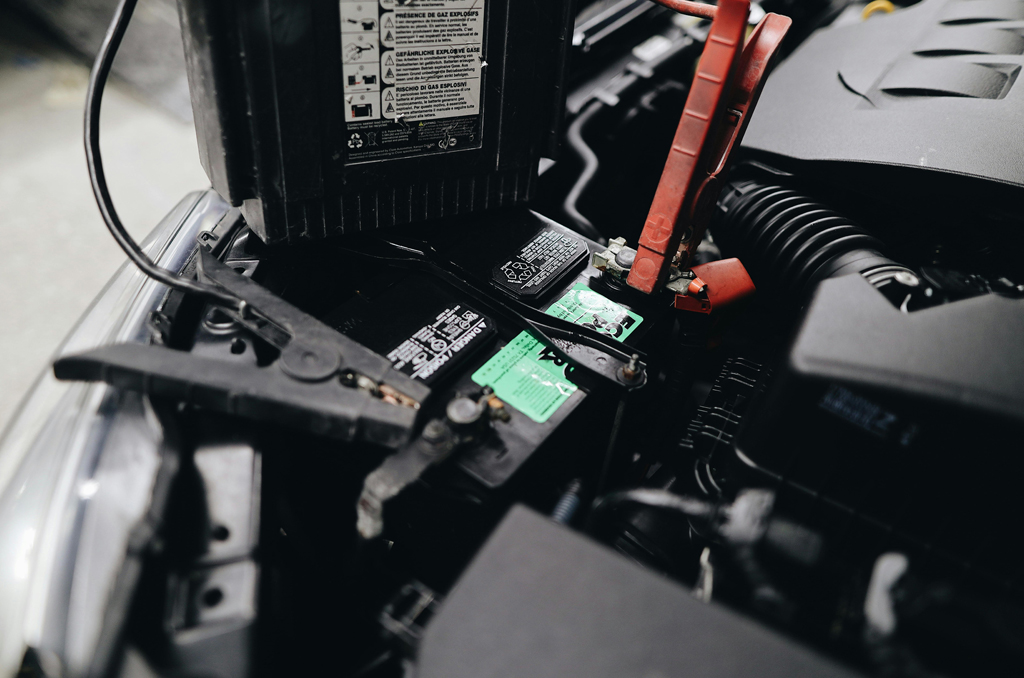
3. How Long Do Car Batteries Last in Hot Countries?
In the UAE, most batteries last 1.5–2 years, even premium brands. Anything beyond this is considered excellent.
The main factors reducing lifespan:
- Extreme heat (biggest factor)
- Heavy city driving (stop & go)
- Frequent short trips
- Low-quality aftermarket batteries
- Faulty alternator or weak starter motor
4. The Most Common Battery Problems in the UAE
- Sudden battery death – car was fine yesterday, won’t start today.
- Overheating terminals due to high resistance.
- Swollen battery case caused by heat expansion.
- Low electrolyte levels from evaporation.
- Alternator overcharging or undercharging
- Electrical system drain from accessories or aftermarket devices.
5. How to Protect Your Battery in Hot Weather
- Park in shade or covered parking – reduces heat exposure by up to 15–20°C.
- Get your battery tested every 3–4 months
- Avoid short trips – the alternator needs at least 20 minutes to recharge the battery.
- Turn off AC, lights, and radio before turning off the engine
- Clean battery terminals regularly
- Use high-quality batteries suitable for hot climates (Silver Calcium, AGM, etc.)
6. When You Should Replace the Battery
Replace your battery if:
- It is older than 2 years
- There are repeated starting issues
- The battery case is swollen
- Terminals show heavy corrosion
- Dashboard warning lights appear
7. How Our Workshop Helps (Kia & Hyundai Specialists)
Because Kia and Hyundai require specific electrical load calibration, our team ensures:
- Correct battery type matching (capacity & CCA)
- System reset after installation
- Alternator & starter motor testing
- Fast replacement within 20 minutes
- Mobile battery replacement anywhere in Abu Dhabi
Final Advice for UAE Drivers
The heat is unavoidable—but battery failure is not. With regular testing, the right battery type, and proper driving habits, you can extend your battery’s life and avoid sudden breakdowns on hot days.