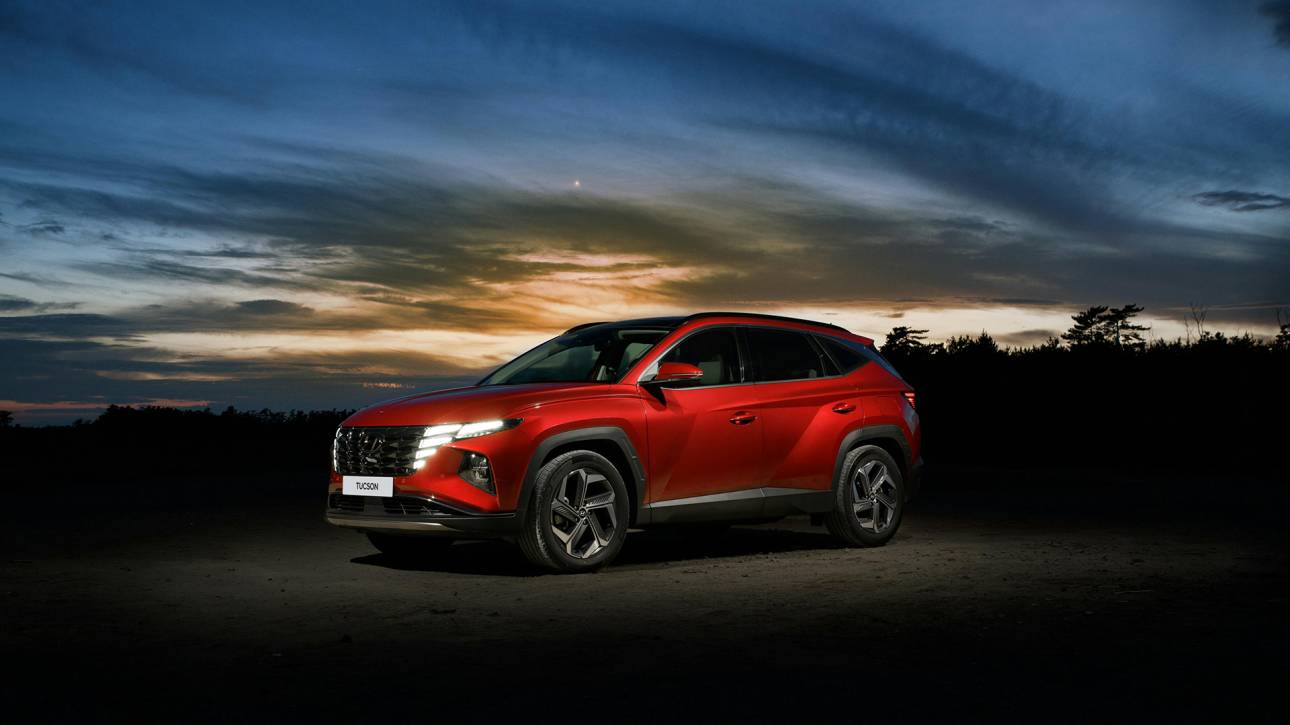
Proper maintenance is the key to keeping your Kia or Hyundai running smoothly—especially in the UAE, where extreme temperatures, humidity, dust, and stop-and-go traffic place constant stress on your vehicle. Korean cars are known for reliability, but they still require routine care tailored to local weather and driving conditions. This detailed guide covers the most important maintenance practices every Kia and Hyundai owner should follow to extend vehicle life, improve performance, reduce repair costs, and ensure safety on UAE roads.
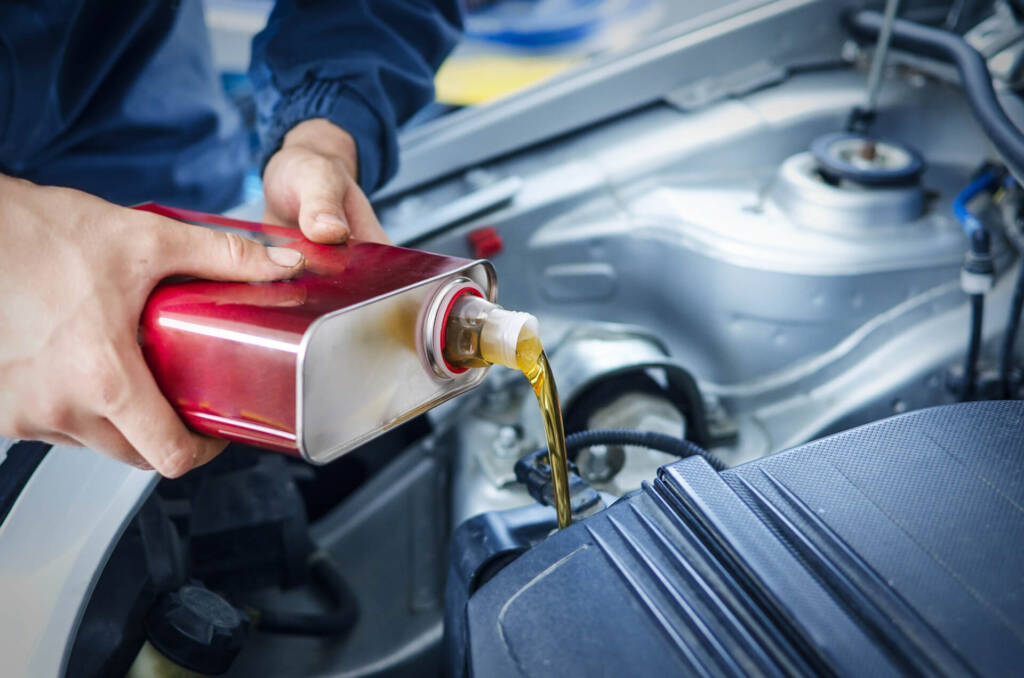
1. Engine Oil & Filter Maintenance
Why It Matters?
The UAE’s high temperatures cause engine oil to break down faster. For Kia and Hyundai engines, clean oil is crucial for preventing overheating, sludge buildup, and premature engine wear.
Recommended UAE Intervals
- Every 5,000–7,000 km for normal driving
- Every 4,000–5,000 km for taxis, delivery, and city-only driving
- Always use fully synthetic oil
Signs You Need an Oil Change
- Engine sounds louder than usual
- Poor acceleration
- High fuel consumption
- Burning smell
- Oil warning light
2. AC System Care & Regular Gas Check
Why Kia & Hyundai ACs Need Extra Attention in UAE?
AC compressors in Korean cars operate under extreme load due to UAE temperatures reaching 45–52°C. Dust also clogs the cabin filter, reducing airflow.
Maintenance Tips
- Change AC cabin filter every 6 months
- Clean evaporator yearly
- Check refrigerant pressure every 6–12 months
- Avoid running AC at full blast before engine cools
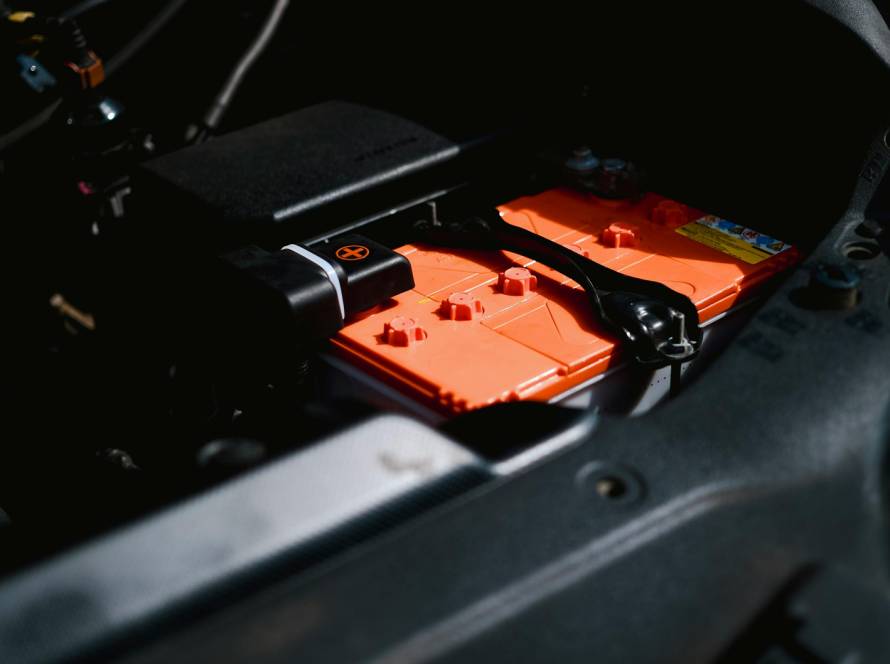
3. Battery Maintenance (Very Important in UAE)
Why UAE Heat Destroys Batteries Faster?
Car batteries in the UAE typically last 1.5–2 years, compared to 3–4 years in cooler countries. Heat evaporates battery fluid and damages internal plates.
Maintenance Tips
- Test battery health every 6 months
- Clean terminals to prevent corrosion
- Avoid frequent short trips
4. Cooling System Maintenance (Engine Protection)
Importance in UAE
High temperatures make engines more vulnerable to overheating, especially in Kia and Hyundai 4-cylinder engines.
Checklist
- Replace coolant every 40,000 km
- Inspect radiator and hoses
- Check water pump
- Flush system every 1–2 years
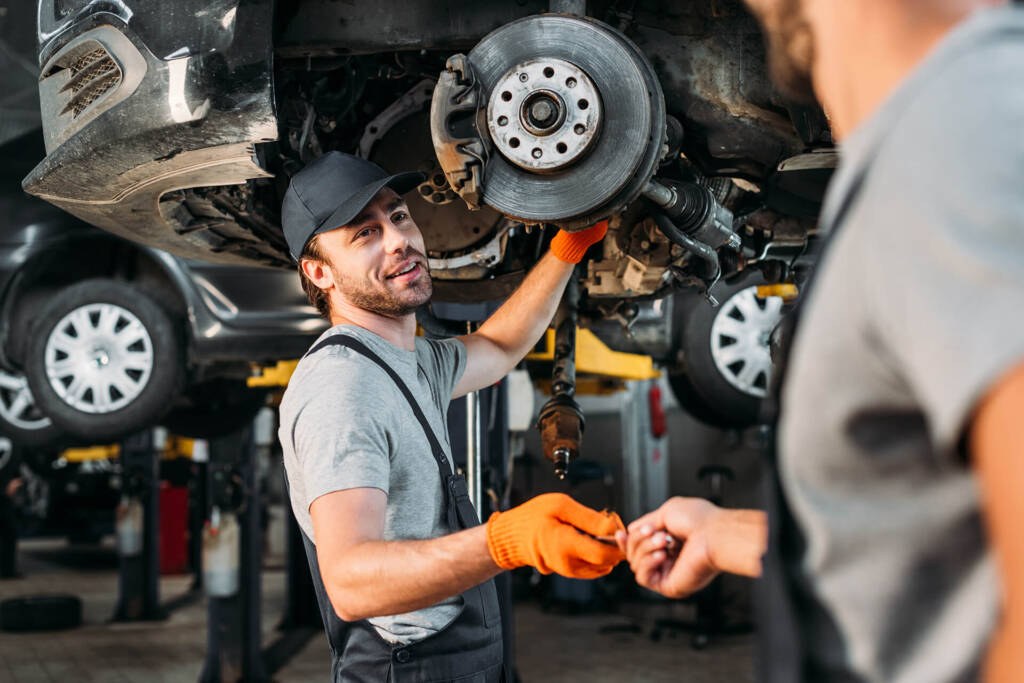
5. Brake System Maintenance
Why It Matters?
Dust and high temperatures reduce brake pad life dramatically.
Recommended Intervals
- Brake inspection every 10,000 km
- Change brake fluid every 40,000 km
6. Tires & Alignment
Tire Wear Accelerates in UAE
Hot asphalt softens rubber, causing faster wear.
Recommended Intervals
- Tire rotation every 8,000–10,000 km
- Alignment every 6 months
- Replace tires every 2–3 years
7. Electrical System Checks
Why Korean Cars Need Regular Electrical Diagnosis?
Sensors, ignition coils, and alternators in Kia/Hyundai cars can fail faster due to heat and dust.
8. Transmission Care
Recommended Intervals
- ATF fluid change every 60,000–80,000 km
9. Kia & Hyundai Model-Specific Tips
Common Issues We See in UAE
- AC compressor failure (Sportage / Elantra / Tucson)
- Engine mounts wear (Sonata / Optima)
- Steering motor issues (Elantra)
10. Final Tips for UAE Drivers
Common Issues We See in UAE
- Park in shade whenever possible.
- Use a sunshade.
- Warm up engine for 30–60 seconds.
- Avoid hard acceleration in summer.
- Follow proper coolant intervals.
- Never ignore warning lights.
- Use high-quality fluids.
- Visit a specialist workshop for Korean cars.
- Book inspections before long trips.
- Do a full diagnostic every 6–12 months.
- Drive with AC on recirculation.
- Replace weak batteries early.
- Check tire pressure monthly.
- Clean air filter more frequently.
- Avoid aggressive driving during peak heat.
- Schedule yearly AC system cleaning.
- Monitor engine temperature regularly.
- Keep emergency tools in the car.
- Use octane suitable for Kia/Hyundai recommendations.
- Allow turbo engines (if any) to cool down after long trips.
Conclusion
Regular maintenance—especially in UAE conditions—is essential to keeping Kia and Hyundai vehicles performing at their best. By following the tips in this guide, drivers can prevent costly repairs, improve safety, extend vehicle lifespan, and enjoy a smoother driving experience.